For our best mobile experience, we suggest the Heartland Bank and Trust mobile banking app
Apple, the Apple logo, iPhone, Apple Pay, and Touch ID are trademarks of Apple Inc., registered in the U.S. and other countries. Android, the Android Logo, Google Pay, and the Google Play Store logo are trademarks of Google Inc, registered in the U.S. and other countries.
Please Confirm
We are providing a link to this third party website for your convenience. Heartland Bank is not responsible for the overall content of any website or the collection or use of information gathered on a third party website. Heartland Bank's privacy policy does not apply to any other website, and we are not responsible for its security, privacy policies and practices, or any consequences that may result from visiting that website. We advise you to consult the privacy policies contained on third party linked websites. Heartland Bank assumes no responsibility nor does it control, endorse or guarantee any aspect of your use of the linked site.
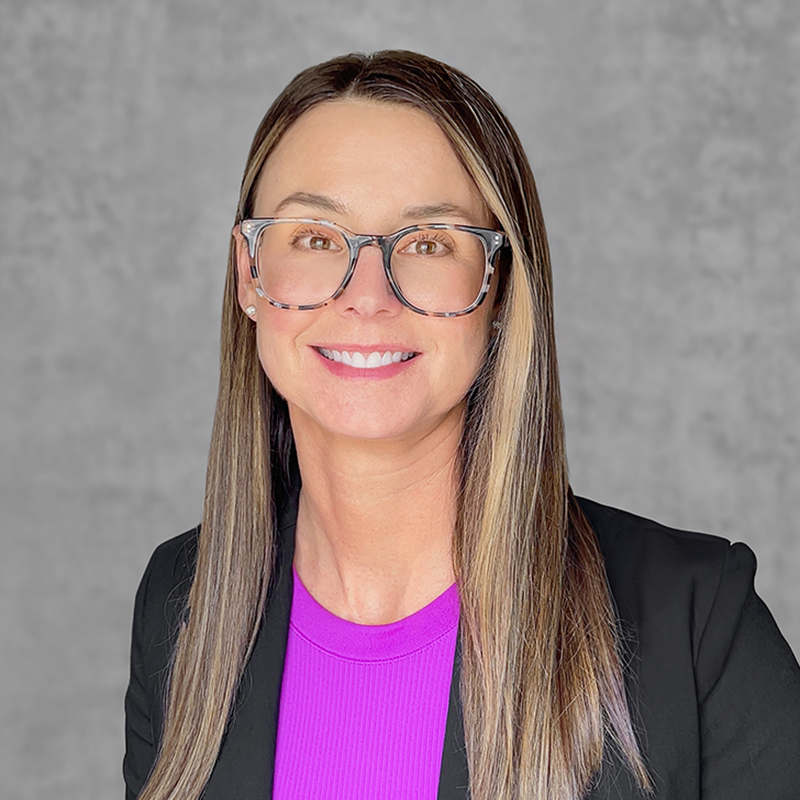
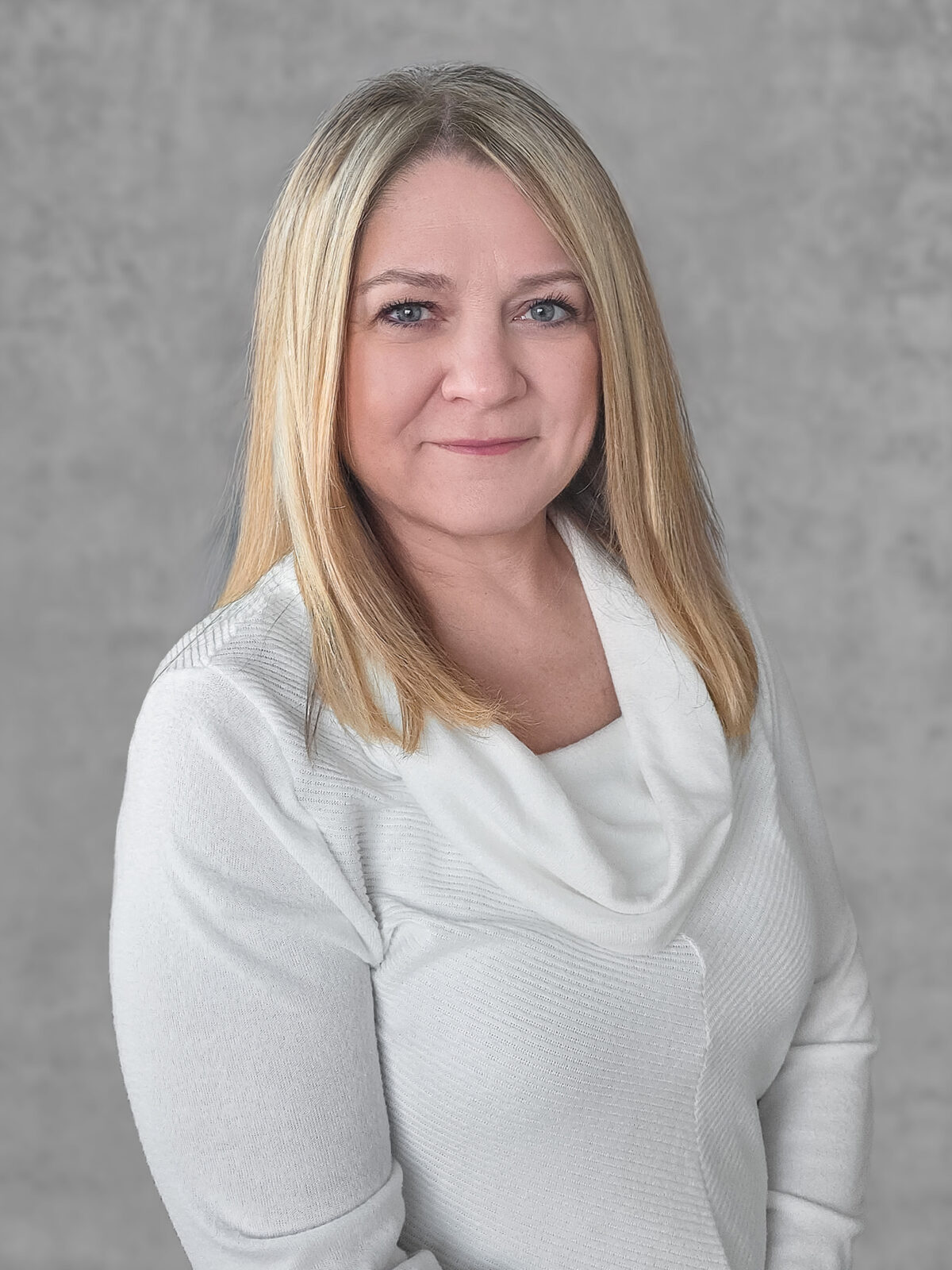
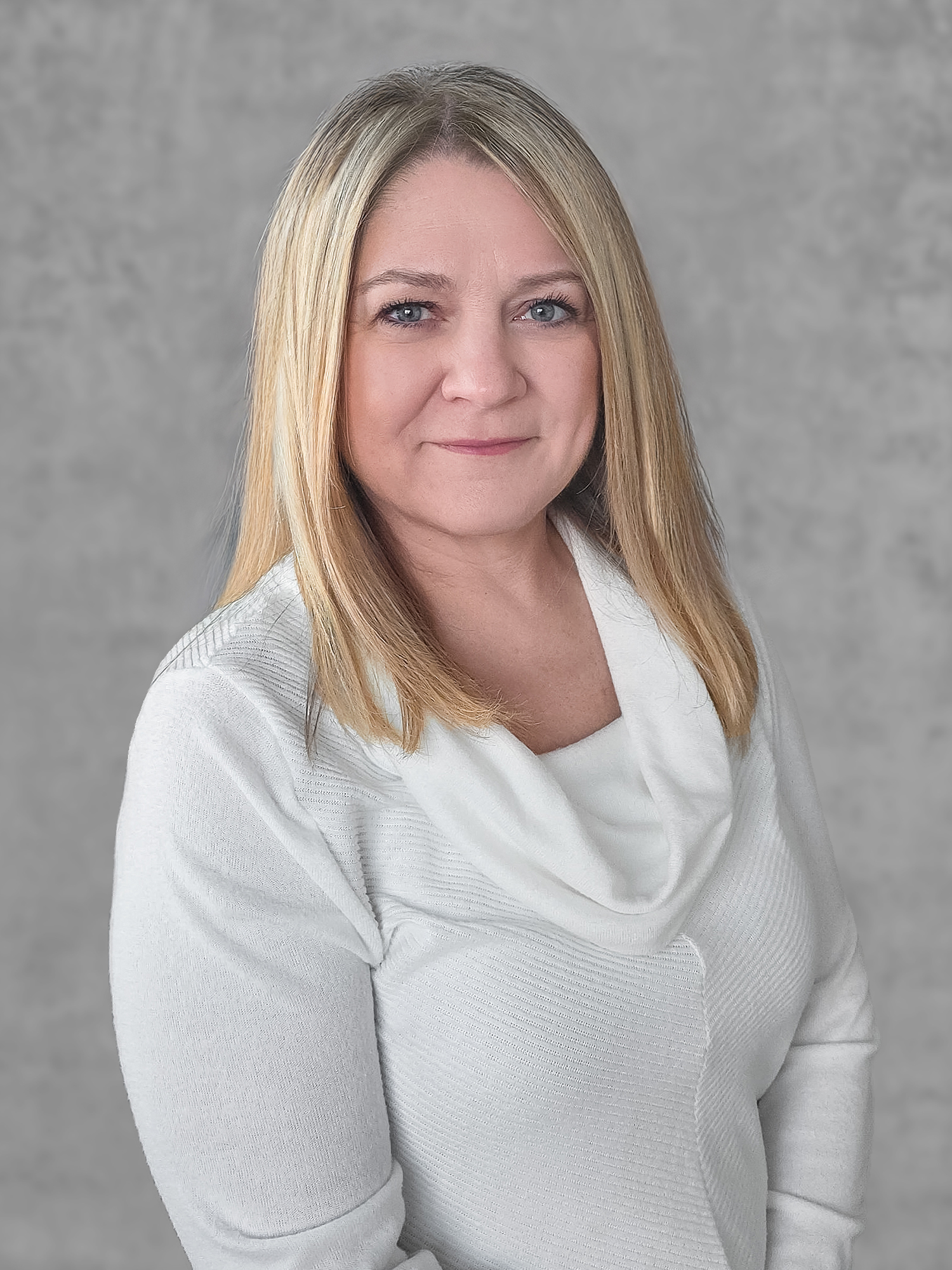
Heartland Bank and Trust Company proudly announces the hiring of Rachel Waca as a portfolio manager. Waca brings 27 years of banking experience with her, including 21 years as a credit analyst. She will be located at Heartland Bank’s Princeton branch and will serve customers throughout the Illinois Valley area.
About Rachel
Waca earned a Bachelor of Science degree from Illinois State University. She enjoys getting to know customers, learning about their unique situations and helping them identify strategies to achieve their financial goals.
A Princeton resident, Waca lives there with her husband, Eric, and their three children, Avery, Alexandra and Brecken. In her free time, she enjoys running and attending her children’s sporting events.
This hiring underscores Heartland Bank and Trust Company’s commitment to investing in local leadership and providing personalized financial services to the communities it serves.
Heartland Bank and Trust Company, the $5.1 billion subsidiary of HBT Financial, Inc. (NASDAQ: HBT) is honored to have been named the #1 bank on Forbes’ 2026 America’s Best Banks list!
The prestigious ranking, published February 4, identifies the 100 strongest banks in the nation based on an objective analysis of 11 key metrics. The 200 largest publicly traded banks and thrifts by asset size were analyzed.
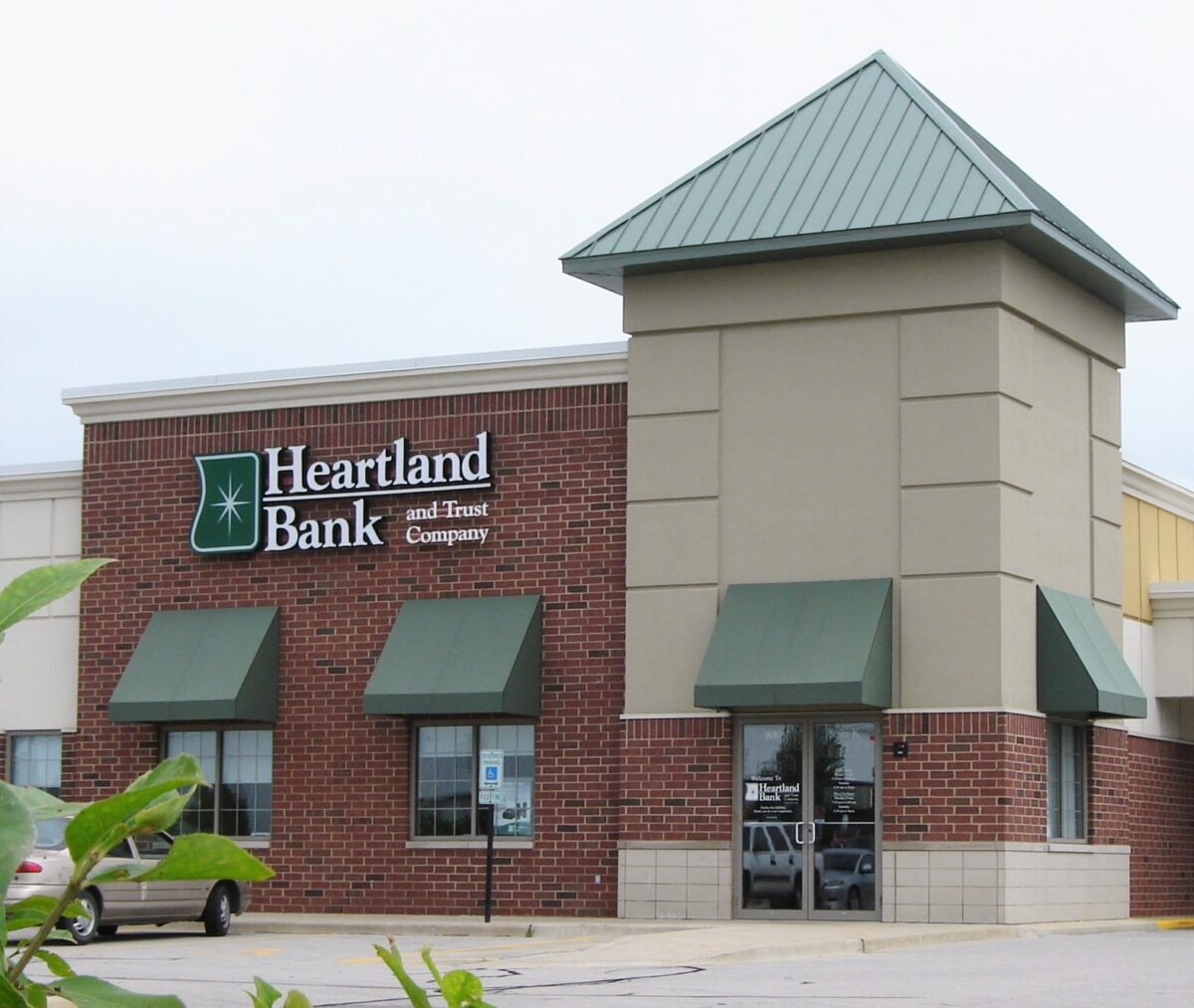
Normal, Illinois – Fort Jesse Road Branch
Forbes evaluated banks based on growth, credit quality, and profitability, as well as stock performance. The equally weighted metrics included net interest margin, return on equity, return on assets, capital ratios, efficiency, asset quality, and growth.
“We are incredibly proud to be recognized as the top bank in America by Forbes,” said J. Lance Carter, President and Chief Executive Officer of HBT Financial and Heartland Bank. “This ranking is a testament to the dedication of our team, our commitment to serving our customers in Illinois and eastern Iowa, and our focus on efficient, sustainable growth.”
This year’s list highlights the strength of regional banks, with HBT Financial leading a group of similarly sized institutions often recognized for their operational efficiency.
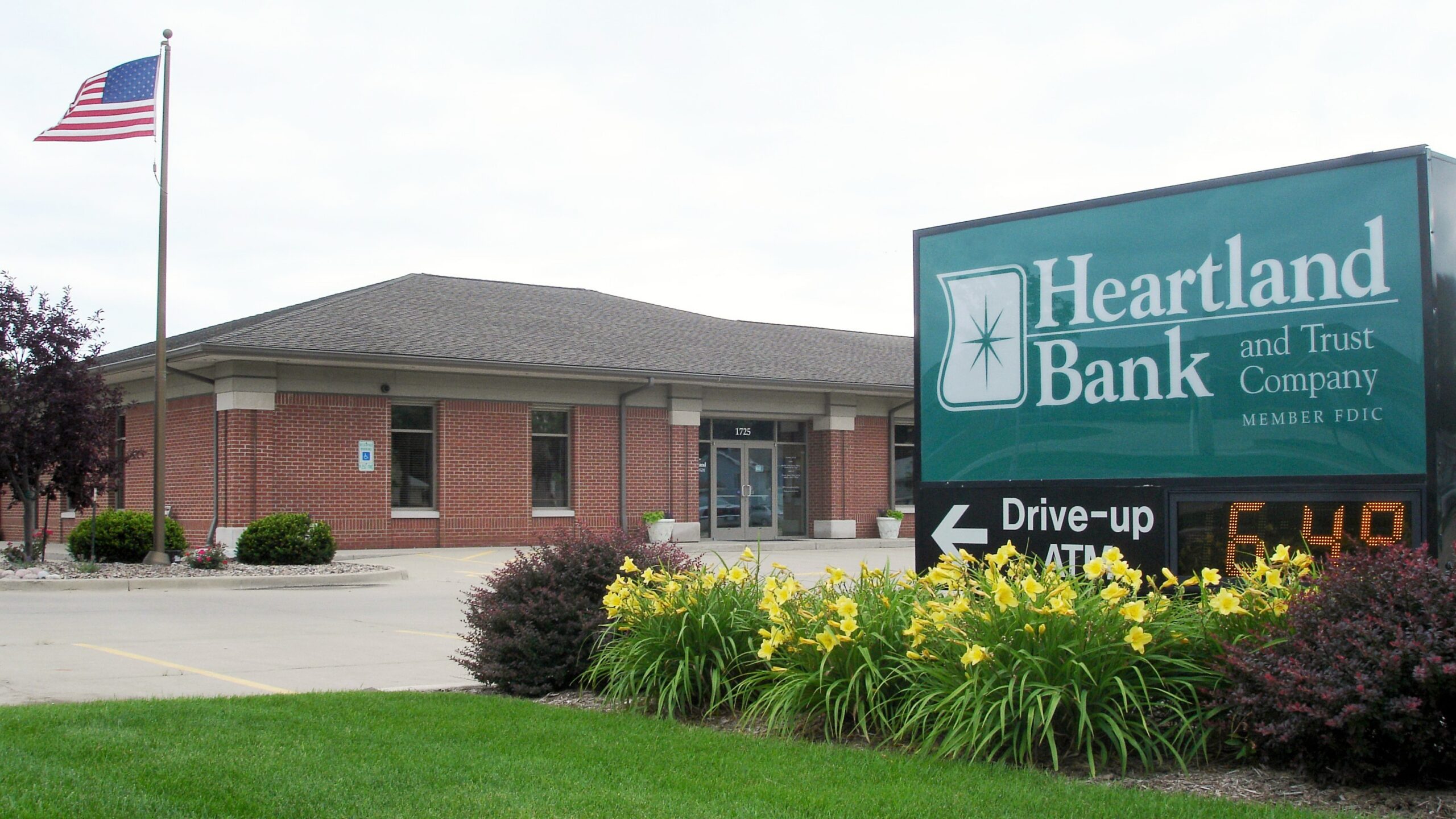
Peoria, Illinois – North Allen Road Branch
About HBT Financial, Inc.
HBT Financial, Inc., headquartered in Bloomington, Illinois, is the holding company for Heartland Bank and Trust Company and has banking roots that can be traced back to 1920. HBT Financial provides a comprehensive suite of financial products and services to consumers, businesses, and municipal entities throughout Illinois and eastern Iowa through 66 full-service branches. As of December 31, 2025, HBT Financial had total assets of $5.1 billion, total loans of $3.5 billion, and total deposits of $4.4 billion.
When a longtime customer rushed in to withdraw $25,000 in cash after a supposed PayPal alert, a vigilant Heartland Bank teller noticed red flags, asked additional questions and uncovered an active scam in progress. Thanks to her quick action and care, the customer was protected from losing $25,000 to fraud.
Not customer’s real name, photo for illustration only.
One morning John Doe was checking his email when he opened one stating he had made a purchase with PayPal for a new iPhone. Confused, John dialed the phone number provided in the email, thinking he was calling PayPal. The call was rerouted several times before John was able to talk with a person. The person John was speaking with claimed he could see the funds being taken out of John’s account in two separate transactions, totaling around $25,000. That was far more than the cost of an iPhone!
John confirmed to the “PayPal representative” the charges were not authorized and asked how he could stop these transactions. The “representative” was very helpful and even expressed empathy and concern for John. He explained that John needed to go to his nearest bank location and withdraw the funds to prevent the transactions from being processed.
Once John got to the branch, the caller instructed him to stay on the phone and not tell the bank what the real reason for the withdrawal was. Once he had the funds in hand, the “representative” would give him further instructions on what to do with the cash. Fearful of losing $25,000, John walked into his local branch, approached the teller line and requested to withdraw $25,000 in cash. Because it was such a large amount, the teller asked what the purpose was for the funds. John did not give an answer, which made her feel uncomfortable with the request. After reviewing the account, she observed this was an out of pattern request for John. Along with that, his unwillingness to share information was a major red flag. The teller shared her concerns with John and asked some more specific questions to try to get additional information from him.
Watch for These Scam Red Flags
Unexpected emails or texts about purchases you didn’t make
Pressure to act immediately or risk losing money
Being told to withdraw cash or move money to “protect” it
Instructions to stay on the phone and not tell your bank what’s really happening
Eventually, John opened up about the situation and that PayPal was still on the line in the car. The teller explained to John this is likely a scam and asked to speak with the person on the phone stating it was probably not actually PayPal. John agreed to let her and headed to his car to get his phone. When John returned, he handed the teller the phone and the person on the line claimed to be John’s friend. John was shaking his head no during this exchange. He didn’t know this person, he thought he was talking to PayPal, why were they saying this? John just didn’t want to lose any funds. Realizing they had been caught, the caller hung up, and John understood it was a scam. The teller reviewed John’s account activity and confirmed the large transactions did not happen; it was all part of the ruse. She reached out to Heartland Bank’s Financial Crimes Department for guidance on how to protect John moving forward.
The teller reassured John that he is not alone, and it is not uncommon for someone seeking to commit fraud to impersonate a company such as PayPal to gain information. There is no shame in experiencing fraud and Heartland Bank is here for you. The sooner we are made aware, the better we are able to protect you!
John was thankful that the teller asked further questions and saved him from losing $25,000!
We’re Here to Help
We invest in secure online and mobile banking, fraud monitoring and identity verification measures to help protect you. But your awareness is just as important.
If you:
Receive a suspicious call, email or text claiming to be from us, or
Notice activity that doesn’t look right on your accounts
Young man using calculator while working on his financial plans at home.
The One Big Beautiful Bill Act has added several wrinkles to tax planning. Here are some basic questions to get you started.
What will be your estimated 2025 income? This will determine whether you qualify for several tax breaks.
Did you pay more than $10,000 in state and local taxes this year?The cap for the deduction has been lifted to $40,000.
Should you itemize or use the standard deduction?More than 90% of taxpayers have been using the expanded standard deduction, but lifting the cap on the SALT deduction could affect that calculation.
Should you bunch your deductions? If you are near the boundary for the standard deduction, it may be profitable to accelerate some charitable contributions or medical expenses into one year, itemize deductions that year, and take the standard deduction the next year.
Did you have tip income in 2025? Up to $25,000 of tip income may be tax free, but the benefit phases out at higher income levels.
Did you have overtime pay in 2025?Up to $12,500 of overtime pay ($25,000 for marrieds filing jointly) may be tax free, but again, the benefit phases out at higher income levels.
Have you purchased an American-made new car this year?The interest on a loan for such a purchase may be deductible.
Is the asset allocation in your investment portfolio still consistent with your goals?Strong stock market performance this year may have pushed some portfolios out of balance.
Should you harvest some capital losses to offset realized gains?Up to $3,000 of realized capital losses may offset ordinary income.
Are you 65 or older this year?You may be eligible for an additional $6,000 deduction from income, but this benefit phases out for higher-income retirees.
Have you maximized your 401(k) deferral?One should defer at least enough to secure an employer match in a qualified retirement plan.
Have you made a maximum IRA contribution? Up to $7,000 may be contribution to a traditional IRA, a Roth IRA or a combination of the two.
Are you eligible for catch-up contributions?For those 50 and older, an additional $1,000 may be contributed to an IRA. An additional $7,500 may be contributed to a 401(k), 403(b), or 457 plan.
Are you eligible for a super catch-up contribution? Beginning in 2025, those who are 60, 61, 62 or 63 have a larger catch-up contribution, $11,250. At age 64 and up, the limit falls back to $7,500.
If you are 73 or older, have you taken your Required Minimum Distributions (RMDs) for the year?RMDs are required from IRAs and from employer retirement plan accounts, such as 401(k) plans.
Should you consider a Qualified Charitable Distribution from your IRA? A direct transfer from an IRA to a charity will satisfy RMD requirements without boosting ordinary income.
Should you consider conversion to a Roth IRA? The conversion is subject to ordinary income tax the year that it is made, but future distributions may be tax-free, and the Roth IRA does not have Required Minimum Distributions.
Have you taken advantage of the annual gift tax exclusion? Up to $19,000 may be gifted to as many beneficiaries as you wish without the necessity of filing a federal gift tax return. A grandparent with four children and six grandchildren could make gifts to each of them, which removes $190,000 from a future taxable estate. Married couples may “split” their gifts, for a total of $38,000 per done. No gift tax will be due, but a gift tax return must be filed in that even.
Has education funding been taken care of? Tax-deferred savings opportunities include the Coverdell Education Savings Account and the 529 plan.
Have you reviewed your will this year?Next year, the amount exempt from federal estate and gift tax goes to $15 million, and this change has no expiration date, unlike earlier increases in this threshold. The exemption is per person, so a married couple has $30 million of tax shelter, and the exemption will be indexed for future inflation. The permanence of this change could have significant ramifications for your estate plan.
This content is for informational purposes only. Readers should under no circumstances rely upon this information as a substitute for their own research or for obtaining specific advice from their own counsel.
According to a 2023 report from AARP, some $28.3 billion is stolen from older adults every year. About 72% of that, $20.3 billion, is taken by a friend, a family member, or a caregiver, while the remaining $8 billion is stolen by strangers. Only $7.8 billion of the thefts are reported to the authorities. The methodology behind these estimates is complicated, given the low rate of reporting, and the losses may be higher or lower than the report’s conclusions. Nevertheless, the thefts run into the billions of dollars, and this has been an important issue for the elderly for many years.
A bipartisan bill has emerged in Congress on the subject, the Financial Exploitation Prevention Act. However, the legislative remedies included in the bill are limited. Certain investment companies and transfer agents, including mutual funds, would be allowed to delay redemption of securities when there are suspicions of financial exploitation. How to spot financial exploitation is not specified. The Securities and Exchange Commission would be charged with developing new ways to attack elder abuse through legislation and regulation, which seems to be a deferral of meaningful action to the future.
But there is no magic bullet for the government to fire at this problem. Older adults must have help managing their finances, and the first line of defense is trusted family members. Adding new layers of paperwork may head off some financial exploitation, but it may also make it harder for the honest agents to do the job that needs to be done for the elder person. Children need to be actively involved in the financial life of their parents, so as to spot problems early before they become serious.
A concern that one hears repeatedly from older Americans is the frequency of spam telephone calls, sometimes dozens in a day, often robocalls. Unfortunately, the “Do Not Call” legislation has not been as successful as hoped, and new filtering strategies for telecommunications need to be explored.
This content is for informational purposes only. Readers should under no circumstances rely upon this information as a substitute for their own research or for obtaining specific advice from their own counsel.
When Michael Jones purchased Series EE federal savings bonds, he designated his wife, Jeanine, as the pay-on-death beneficiary. The couple later divorced. Under the divorce settlement agreement Michael agreed to pay Jeanine $200,000 over a period of years. The settlement agreement did not mention the savings bonds, nor did Michael take any action to have the pay-on-death beneficiary changed.
Michael died before completing all the payments required by the divorce agreement. Jeanine redeemed the savings bonds, then filed a creditor’s claim against his estate for the $100,000 remaining to be paid to her. The estate argued that the redeemed savings bonds should be counted toward satisfying the debt, and the trial court agreed, dismissing Jeanine’s claim.
Jeanine appealed, and the appellate court reversed. Under the federal regulations governing savings bonds, Jeanine became the sole owner of the bonds at the moment of Michael’s death. Because it became her property, it does not satisfy the debt the estate owes to her. The New Jersey Supreme Court now affirms that outcome. Jeanine’s property interest in the bonds was not revoked by the divorce agreement, because that agreement did not mention the bonds. “The trial court’s holding, which impaired Jeanine’s right of survivorship as beneficiary of the bonds based on nothing more than its assumption that Michael likely intended to do so, is exactly the type of judicial determination the federal regulations do not allow,” the Court held [Matter of Estate of Jones, 328 A.3d 923 (N.J. 2025)].
This content is for informational purposes only. Readers should under no circumstances rely upon this information as a substitute for their own research or for obtaining specific advice from their own counsel.
On December 2, 2025, the IRS issued Notice 2025-68 to provide a general overview of how Trump Accounts will work, and to address initial questions about eligible investments, distributions, reporting and coordination with the rules applicable to other types of Individual Retirement Accounts.
Trump Accounts can be established in 2026, using IRS Form 4547, for any child through age 17. The contribution limit will be $5,000 per child per year. Contributions may begin after July 4, 2026. Distributions from Trump Accounts generally will not be permitted until the year the child turns 18. At that point, the account will be treated similarly to a traditional IRA, so that distributions will be taxable and potentially subject to penalties if the account owner is younger than 59½. There will be no tax deductions for contributions to Trump Accounts, but the account will grow tax-deferred until distributions begin. The accounts will be invested in certain mutual funds or exchange-traded funds that track the S&P 500 or another index of primarily American stocks.
In addition to creating a valuable financial resource for the child, the hope is that the beneficiary will become engaged in the growth of the free market economy.
Seed money. To encourage rapid adoption of the Trump Accounts, the federal government will make a one-time $1,000 contribution to the Trump Account of each eligible child born on or after January 1, 2025, through December 31, 2028. The child must have a Social Security number to be eligible.
In December, Michael and Susan Dell (of Dell Technologies) announced that they would contribute $250 to Trump Accounts for some of the children who are not eligible for the $1,000 seed money from the federal government, that is, the children born in the U.S. before January 1, 2025, who are up to 10 years old. The gift will be limited to zip codes where the median income is below $150,000. An estimated 25 million children could potentially receive this benefit, according to press releases. The pledge from the Dells is $6 billion. If the money is not used up by the younger children, the Dells may extend the program to children older than 10. The Dells also announced that Dell Technologies would match the $1,000 government contribution to Trump Accounts for their employees, and other companies may follow that lead.
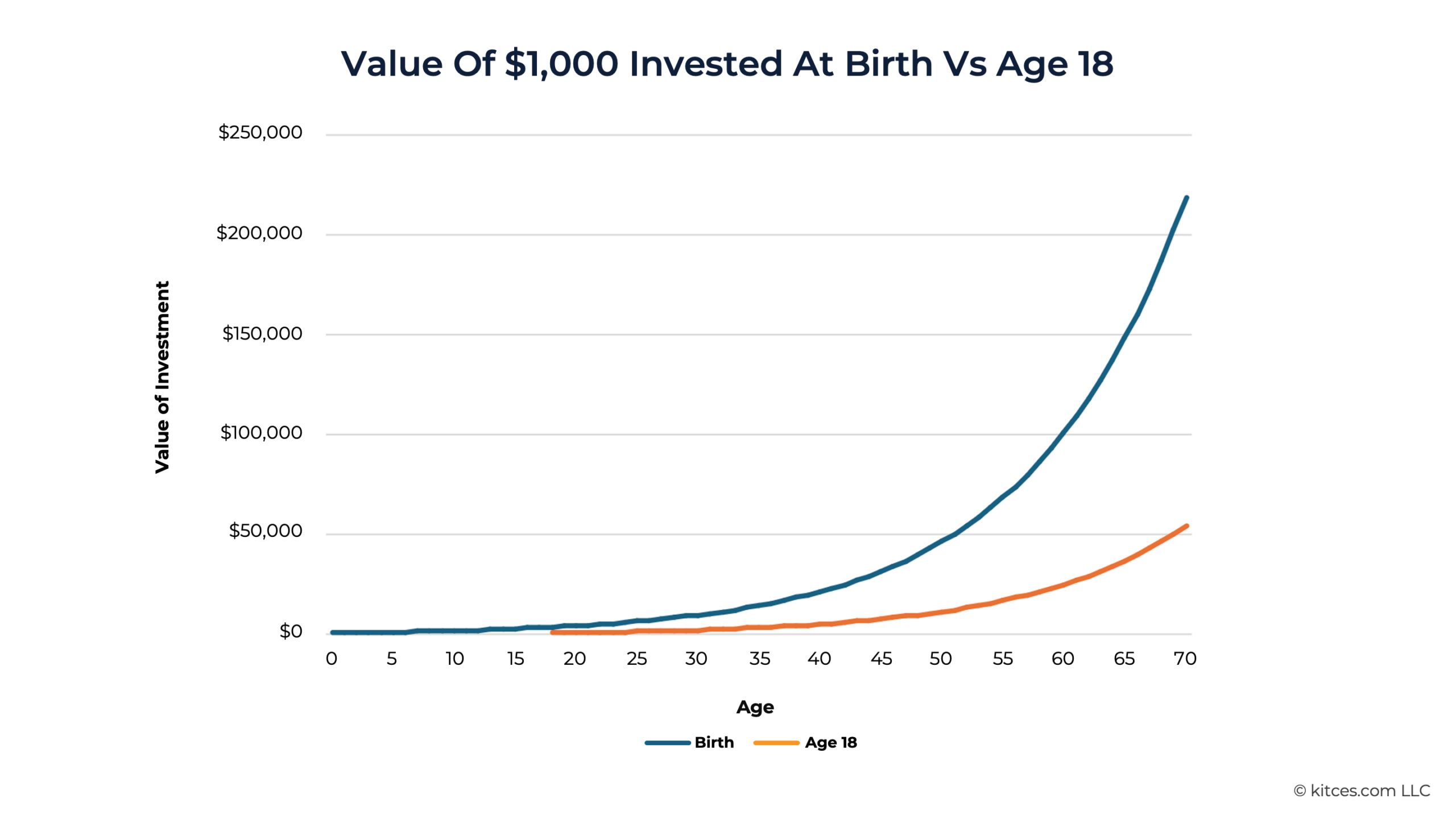
Parent contributes a maximum amount to a Trump Account for 17 years, plus the account has $1,000 in seed money. Inflation is assumed to be 3% per year for the period, and investments earn 8%. On the child’s 18th birthday, the account would be worth $250,069, after total Parent contributions of $116,300. The remaining $133,769 is the growth of the account. If the child leaves the account untouched, and assuming that the 8% growth continues, it will be worth $6,336,611 at age 59 ½.
That sounds almost too good to be possible. On the other hand, no one predicted that IRAs and 401(k) accounts would, in the aggregate, be worth trillions these days.
This content is for informational purposes only. Readers should under no circumstances rely upon this information as a substitute for their own research or for obtaining specific advice from their own counsel.
Jerry and Mary Trotter established a revocable trust in 2011. They acted as trustees, and their son, Timothy, was the successor trustee. After the deaths of the trustors, certain stock was to be distributed to Timothy, and the balance of the trust assets was to be divided equally among several children, including Jerry’s daughter from his prior marriage, Van Dyck.
Jerry died first. Mary then had second thoughts about the inheritance for Van Dyck, who had already inherited from her mother. Mary was scheduled for surgery on July 1, 2020, and so began a series of e-mail contacts with her estate planning attorney about amending her testamentary plans. She executed a client questionnaire in anticipation of a meeting with the attorney, in which she stated about Van Dyck: “No contact—would prefer to drop from will—if possible.”
The surgery led to complications, and Mary died before meeting with the attorney. As executor of her estate, Timothy asked the probate court whether the e-mails were sufficient to have amended the trust and terminate Van Dyck’s interest. They were not, the probate court held, and the California Court of Appeals affirmed. The state’s electronic signature provisions did not apply to the e-mails because they were not “transactions” within the meaning of that law. What’s more, the series of e-mails showed that Mary was only at the beginning stages of amending her testamentary plans, and that she realized a meeting with the attorney would be required to formalize the changes.
This content is for informational purposes only. Readers should under no circumstances rely upon this information as a substitute for their own research or for obtaining specific advice from their own counsel.
Identity theft doesn’t always start with a big hack. It can begin with a lost wallet, a quick click on a fake email or a document tossed in the trash instead of shredded. Once criminals have enough pieces of your personal information—like your Social Security number, account numbers or online passwords—they can open accounts in your name, extract funds or damage your credit.
Your financial security is a top priority for us, so we want to make it as easy as possible for you to lower your risk and know what to do if something goes wrong.
How Identity Theft Happens
Bad actors use both digital and old‑fashioned tactics to target their victims. Here are some common methods they can use:
Phishing, smishing, vishing: Fake emails, texts or phone calls that appear to come from a bank, government agency or familiar company, asking you to “verify” information or share codes.
Stolen mail and trash: Bank statements, pre‑approved credit offers, checks and medical or insurance letters pulled from mailboxes or garbage cans.
Data breaches: Hackers breaking into retailer, lender or service‑provider systems and stealing stored customer information.
Unsecured devices and Wi‑Fi: Lost or stolen phones and laptops without passcodes, or banking over public Wi‑Fi without protection.
Please remember that we will never call, email or text you to ask for your online banking password, debit card PIN or any other private information!
Habits that can Protect Your Information
Small, consistent habits are often your best defense. Here are two key actions you can take to protect your information:
1. Secure the Documents in Your Life
Keep important documents in a secure location such as a safe and shred the ones you no longer need. These types of documents include social security cards, birth certificates, passports, deeds, titles, tax returns and financial records. If you’re unsure, shred it.
2. Strengthen Your Digital Security
Use strong, unique passwords or passphrases for banking, email and shopping sites.
Turn on multi‑factor authentication (MFA) wherever it’s offered.
Consider a reputable password manager to store and generate passwords.
Keep your phone, tablet and computer updated; install security updates promptly.
Avoid online banking or shopping on public Wi‑Fi unless you’re using a trusted Virtual Private Network (VPN).
Lock your devices with a passcode or biometric login and enable “find my device” tools.
Monitoring Your Accounts and Credit
Even with solid habits, issues can arise. Catching them early can greatly limit the damage. Here are some steps you can take to keep an eye out for suspicious activity on your accounts:
1. Review Your Accounts and Set Alerts
Log in to your online banking to review account transactions regularly.
Don’t hesitate to contact us immediately if you see a charge, transfer or withdrawal you don’t recognize. We are here to help!
2. Check Your Credit Reports
You can access free credit reports from each of the three major credit bureaus through AnnualCreditReport.com.
While reviewing these reports, look for accounts you don’t recognize, incorrect addresses or employers, and credit inquiries you didn’t authorize.
If you suspect trouble, you can place a fraud alert, which tells lenders to verify your identity more carefully, or place a credit freeze, which prevents most new creditors from accessing your report and makes it much harder for someone to open new accounts in your name.
Act Quickly if You Think You are a Victim
If you spot unauthorized activity or accounts, prompt action is critical. We recommend the following steps to assist you:
Report the theft and get a personalized plan. You can also generate an Identity Theft Report and letters to send to creditors and credit bureaus.
Place a fraud alert or credit freeze with the credit bureaus.
A fraud alert lasts one year and can be renewed. A credit freeze stays in place until you lift it.
Follow up and monitor.
Keep copies of all letters and notes from any phone calls or correspondence. Recheck your credit reports and account activity to ensure fraudulent accounts and charges are removed.
We’re Here to Help
We invest in secure online and mobile banking, fraud monitoring and identity verification measures to help protect you. But your awareness is just as important.
If you:
Receive a suspicious call, email or text claiming to be from us, or
Notice activity that doesn’t look right on your accounts
Pause, and contact our Customer Care Center immediately. During Identity Theft Awareness Week—and all year—we’re here to help you keep your finances safe.
Angie Handley has been promoted to retail manager of Heartland Bank and Trust Company’s Springfield Dirksen location. Handley brings 15 years of experience in the banking industry to the position, including roles in retail management, loan administration and loan underwriting. Her background reflects a strong focus on customer service, problem-solving and developing others.
About Angie
Handley previously served as retail assistant manager at Heartland Bank’s Springfield MacArthur branch for two years. Prior to joining Heartland Bank, she spent 13 years with Wells Fargo Bank as a loan administration manager and in loan underwriting roles. She holds an associate degree in business management.
In the Springfield community, Handley is involved in financial literacy efforts through the Springfield Urban League and is a member of the local Chamber of Commerce. She lives in Edinburg, Illinois, and has three children, Joey, Jaylon and Olivia, and one grandchild, Joseph. In her free time, she enjoys spending time with family and friends, reading and crocheting. Handley values working with the public, helping others grow and finding solutions to the financial challenges her customers face.
This promotion reflects Heartland Bank and Trust Company’s commitment to investing in local leadership and providing personalized financial services to the Springfield community.
Whenever You Need Support, We're Just One Click Away